



Fear still rules cannabis regulation one year after legalization

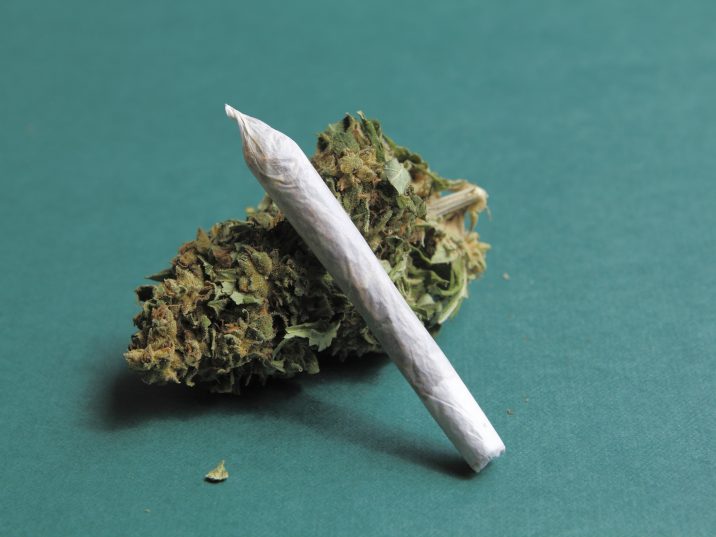
As we approach the one-year anniversary of cannabis legalization in this country, it’s important to reflect on the bumpy road we’ve encountered since making what might be considered one of the largest social policy changes in Canadian history.
As it stands, legal cannabis sales have topped $100-million a month. To put that in perspective, that’s more than Canadians spend on oral care products and only marginally less than we spend on seafood. The industry has also added $8 billion to Canada’s GDP. With these huge financial implications, legalization hasn’t had the desired impact on social justice for those previously convicted of drug offences, which are now legal.
The illicit market is still thriving, in part due to frequent consumers who are more price sensitive than infrequent customers. If you’re consuming an ounce a month, the $4.72 average difference in a gram of legal and illicit cannabis means you’re saving $132 by sticking with your illicit supplier.
Sales of legal cannabis picked up significantly after Ontario began allowing private retail stores in April, highlighting that access to legal retail stores are key to the success of this new endeavour, especially for new or infrequent consumers.
That said, there aren’t many new users. Youth consumption has stayed fairly level, and data suggest that the reported increase in overall use (from 14 per cent before legalization to about 16 per cent now) is a reflection of people being more honest in surveys. What was unexpected is that many of the new cannabis consumers are men, 45 years of age and older. It’s not Gen Z who’s lighting up, it’s Gen X.
There are many reasons to be uneasy about the rollout of cannabis legalization. Under the Cannabis Act, the feds get to control production regulations and manage criminal sanctions for violation of the act. The provinces control how cannabis is distributed and sold.
Some provinces have chosen to model liquor stores, while others have opted for a wide-open approach that permits private distribution and retail stores. Even when taking the same general approach, provinces differ in their execution. Alberta has 254 private stores, while Ontario only has 25 stores authorized with another 40 on the way.
Though the production industry is rapidly expanding, fostering economic growth across the country, many people are feeling left out. The communities most harmed by the criminalization of cannabis seem least poised to enjoy the economic benefits of legalization. Places like Oakland, California, understand this issue and have taken steps to ensure those previously convicted of cannabis related crimes are first in line to get cannabis retail licenses in the city.
It would be easy to place the blame on the federal government for legalization’s shortcomings and the continued power of the black market. The overly harsh penalties for possessing “illegal” cannabis, decreased rights during traffic stops, and lack of access to a variety of cannabis products at launch, soured many consumers on the new model.
However, it is the poorly executed provincial rollout of cannabis retail that has most helped the black market survive. Canada has almost 400 retail stores. This may sound like a lot, but Colorado, with one sixth the population, has more than 560. When we make cannabis hard to access legally we just push people toward the black market. Add in the lingering odour of government prohibitionist rhetoric that filled our textbooks and TV screens for a century, it’s no wonder many people don’t jump towards this overly regulated cannabis market.
Cannabis legalization doesn’t show signs of harming our society, but it isn’t running as well as hoped. Getting rid of prohibition was supposed to be a great social achievement and frankly saving 50,000 police incidents a year is both good for policing and for the people who would have been on the receiving end of that policing.
But the end of prohibition has turned out to be far more about business forecasts and regulatory challenges than about the social justice we needed to engender. Perhaps as cannabis becomes more normalized and the industry matures, we’ll see federal and provincial authorities stop regulating cannabis from a position of fear and distrust and use the benefits of legalization to right systemic wrongs.
After all, we’re only a year into legalization after spending more than 100 years building prohibition. Though I’m uneasy about where we are now, I’m looking forward to seeing what comes next. Whatever the shortcomings of the current system, it is clear we’re better off without prohibition.


 Follow us on Instagram
 Connect with us on Linkedin